
HappyHorse Alumni Reunion Group Photo Animation Prompts
Animate an authorized alumni reunion portrait with restrained motion while protecting identity, consent, relationships, school marks, location, and context.
Quick answer
Obtain permission for synthetic animation and the intended channel from every identifiable person or an authorized representative where appropriate, plus the photographer and relevant venue or organization. Audit names, class years, badges, school marks, private contact details, minors, bystanders, addresses, memorial context, and attendance sensitivity. Ask HappyHorse for subtle breathing and at most one or two precisely named blinks while faces, age, expressions, rows, hands, clothing, signs, background, and camera stay fixed. Do not invent waves, reunions between specific people, speech, shared glances, hugs, or event facts.
Who this guide is for
Alumni associations, schools, universities, reunion committees, archives, event photographers, families, and communications teams sharing an approved class or alumni gathering portrait.
Recommended model
| Use case | Recommended model | Why |
|---|---|---|
| This workflow | HappyHorse for restrained consented alumni portrait micro-motion | Identity-led micro-motion can add a gentle sense of presence while explicit locks protect people, relationships, age, school context, privacy, and the factual record of the reunion. |
AIBase is an independent creative platform. Model names are shown only to identify supported underlying technologies and workflow choices.
Prompt template
Animate the uploaded authorized alumni reunion photo as the exact first frame. Preserve every person's identity, apparent age, face, expression, gaze, hair, body proportions, row and position, pose, hands, fingers, clothing, badge and name-tag zones, accessibility aids, signs, school marks, objects, background people, venue, crop, camera, light, blur, grain and source condition. Motion only: subtle breathing and one natural blink from [precise row and position], [3-5 seconds], locked camera, stable ending. No speech, smile change, wave, hug, shared glance, person added or removed, age change, face repair, badge reveal, sign change, camera move, music, text, logo or watermark.
Step-by-step workflow
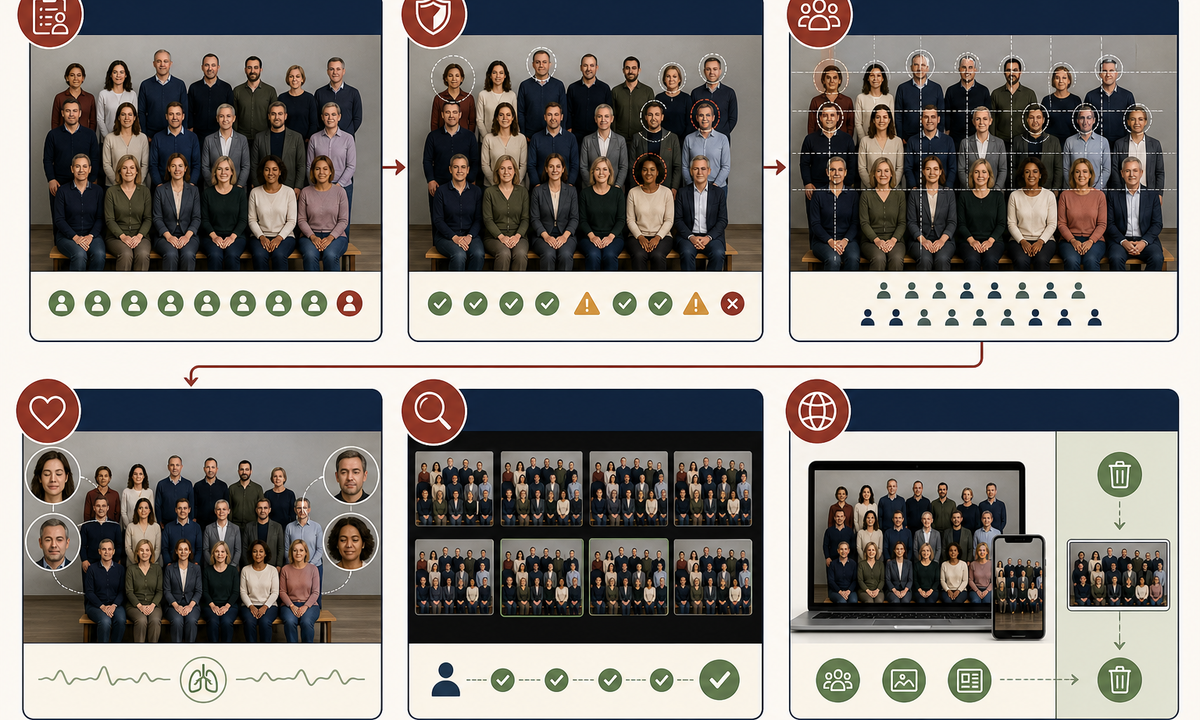
- Create a permission roster for every identifiable person or representative where appropriate, the photographer, school or alumni organization, venue, artwork and signs, intended channels, duration, reuse, and removal contact.
- Audit names, badges, class years, school marks, minors, bystanders, addresses, license plates, private health or mobility context, memorial context, attendance sensitivity, and unapproved organizations.
- Map each person by row and position plus protected hands, clothing, name-tag zones, aids, chairs, signs, objects, architecture, background figures, crop, blur, damage, and grain.
- Request breathing and no more than one or two precisely named blinks; keep mouths, hands, relationships, signs, objects, background people, and camera still.
- Inspect frame by frame for identity, apparent age, expression, gaze, hands, overlap, clothing, aids, badges, names, school marks, background drift, face repair, and invented interaction.
- Publish verified event name and date only when approved, appropriate location granularity, photographer credit, consent-based context, accessibility, disclosure, correction route, removal contact, and expiry.
Example prompt variants
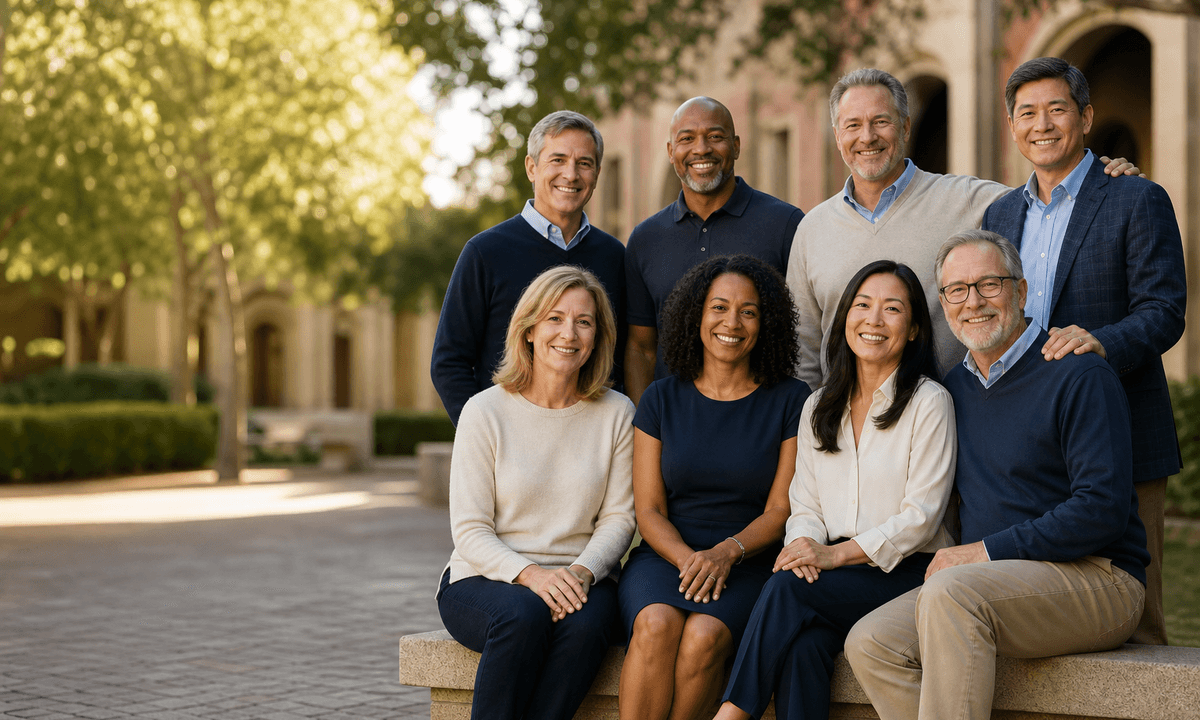
- Four-second twelve-person courtyard portrait: subtle breathing and one blink from the seated front-row person third from left, preserve every identity, apparent age, row, hand, chair, badge zone and locked camera.
- Three-second archival class reunion photo: breathing only, preserve source grain, fading, clothing, faces, age, backdrop and damage; no restoration, smile change, sign reveal or camera move.
- Five-second small alumni dinner portrait: two precisely named back-row blinks, preserve table objects, glasses, hands, venue, expressions, relationship-neutral spacing and no toast or speech.
Quality checklist
- Every identifiable person or appropriate representative, photographer, organization, venue, artwork, sign, channel, duration, reuse, and removal process has suitable permission.
- Identity, apparent age, expression, gaze, rows, poses, hands, clothing, aids, badges, sign zones, objects, venue, crop, blur, damage, and grain remain stable.
- Names, class years, minors, bystanders, addresses, plates, private context, memorial sensitivity, attendance information, and unapproved marks are absent, protected, or approved.
- Motion does not invent speech, affection, relationship, endorsement, attendance, graduation, achievement, donation, nostalgia narrative, or institutional claim.
- Permission roster, rights and privacy audit, source map, prompt, person-by-person inspection, approvals, publication, correction, removal, and expiry remain traceable.
Mistakes to avoid
- Assuming the original event photo permission automatically covers synthetic animation, public promotion, and future reuse.
- Animating everyone to wave, laugh, hug, toast, or look at each other and creating false interactions or relationships.
- Allowing age, faces, hands, name tags, school marks, accessibility aids, archival damage, or background people to drift.
- Using the clip to imply attendance, affiliation, graduation year, achievement, endorsement, fundraising support, or institutional history without verification.
Related AIBase pages
Practical next step
Open the most relevant AIBase generator, run one narrow prompt first, and save the best result before adding more constraints. The fastest way to improve output quality is to compare one variable at a time: subject, camera, background, lighting, then final polish.