
Best AI Models for Ecommerce Size and Fit Guide Images and Videos
Compare AIBase-supported models for size-guide cleanup, text-free layouts, reference-led garment visuals, bounded motion, and fit presentation.
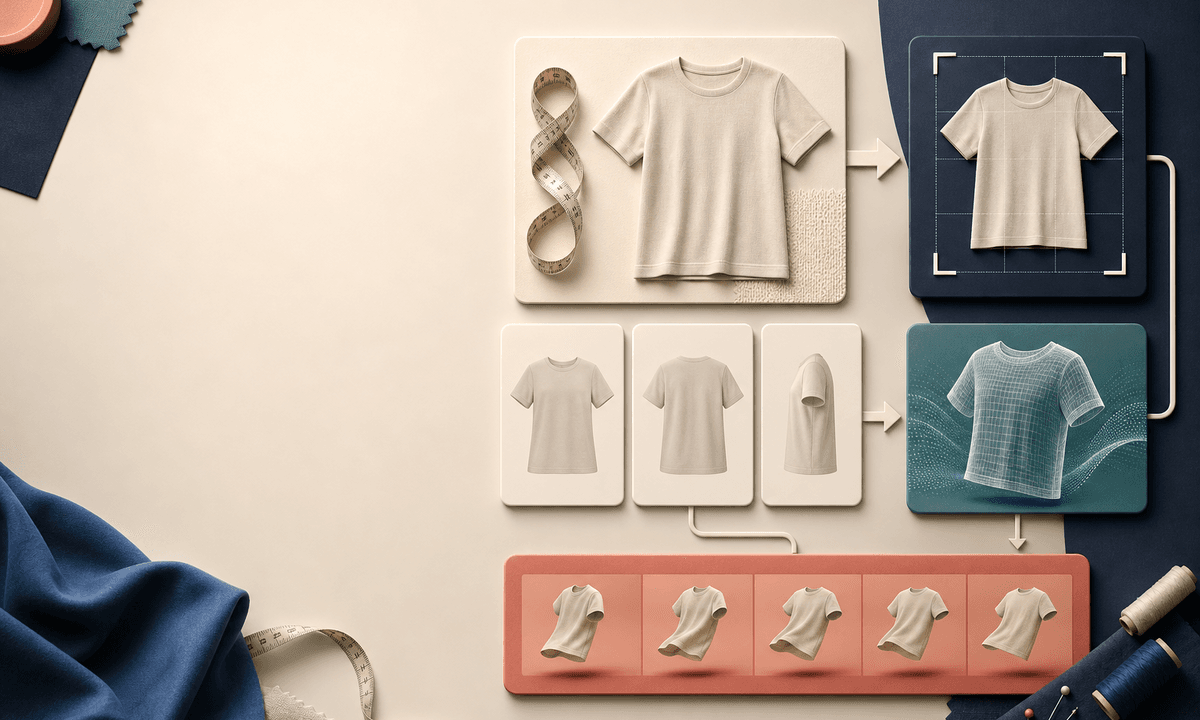
Quick answer
Choose by asset job, not by a universal ranking. Use Nano Banana 2 for tiny cleanup on approved garment or measurement-reference photos; GPT Image 2 for one polished text-free layout concept; Seedream 5.0 Lite for a coordinated family of text-free banners and cards; Nano Banana Pro for high-fidelity scenes built from exact garment and fit references; Seedance 2 or Wan 2.7 for one documented garment movement or measurement-camera cue; Veo 3.1 Fast for generic transitions; and HappyHorse only for consented presenter micro-motion. Keep every body measurement, size mapping, fit statement, model dimension, garment dimension, conversion, tolerance, and recommendation in verified editable content.

Who this guide is for
Fashion brands, footwear sellers, marketplaces, made-to-measure services, resale platforms, product teams, localization teams, and agencies building size charts, fit explainers, measurement guides, product-page modules, and short social education.
Recommended model
| Use case | Recommended model | Why |
|---|---|---|
| This workflow | A task-routed AIBase-supported stack rather than one overall winner | Local cleanup, layout generation, exact garment rendering, bounded instructional motion, generic video, and identity-led animation solve different parts of a size-and-fit guide; routing reduces the chance that a visual model invents measurements or fit outcomes. |
AIBase is an independent creative platform. Model names are shown only to identify supported underlying technologies and workflow choices.
Prompt template
Size-and-fit guide asset job [localized garment-photo cleanup / text-free chart background / exact reference-led garment scene / one documented measurement-camera cue / generic transition / consented presenter micro-motion]. Product [exact SKU and variant], channel and ratio [specific], protected garment, body, measurement-line, copy, chart, disclosure and CTA zones [specific]. Preserve source-supported garment geometry, construction, scale, fit appearance, presenter identity and camera. Leave all measurements, sizes, conversions, tolerances, fit statements and recommendations blank for verified editable UI. No invented body, reshaping, size label, measurement mark, fit improvement, stretch, compression, posture change, word, number, logo, sound or watermark.
Step-by-step workflow
- Freeze the authoritative fit dataset by SKU and variant: garment measurements, measurement method, tolerance, size labels, region conversions, intended fit, fabric behavior, model measurements and worn size where consented, returns feedback, revision, and owner.
- Capture authorized garment front, back, side, detail, scale, construction, flat-lay, on-body, measurement-method, and movement references plus presenter consent by channel and territory.
- Route dust, clip, background, or small reference-photo cleanup to Nano Banana 2; route one text-free layout concept to GPT Image 2 and coordinated ratio families to Seedream 5.0 Lite.
- Use Nano Banana Pro only when complete garment and presenter references can lock shape, construction, identity, body, pose, and fit appearance; stop if a missing size or body would need invention.
- Use Seedance 2 or Wan 2.7 for one source-supported garment or camera movement, Veo 3.1 Fast for generic transitions, and HappyHorse only for consented breathing or a named blink in a fit-presenter portrait.
- Assemble real measurement diagrams, size tables, fit notes, model details, conversions, tolerances, accessibility text, disclosure, locale, product links, and customer support in governed editable components.
- Test product and variant matching, unit conversion, locale, mobile table behavior, screen readers, zoom, color, body diversity, fit-language clarity, returns feedback, data revision, expiry, correction, and rollback.
Example prompt variants
- Nano Banana 2 cleanup: remove only the marked removable floor lint beside the approved trouser hem measurement photo, preserve hem, tape endpoints, garment edge, wrinkles, scale, camera and every measurement-relevant pixel.
- GPT Image 2 layout: text-free responsive fit-guide background with protected title, garment image, measurement diagram, size-table, fit-note and help zones; no body, tape marks, sizes, numbers, arrows or pseudo-text.
- Nano Banana Pro reference scene: use the complete approved shirt and presenter references, preserve exact identity, body, pose, garment cut, seams, drape and source-supported fit in a neutral side view; blank measurement zones only.
- Wan 2.7 motion: from the approved empty-garment rig, rotate the camera through one documented side-to-back arc while garment, supports, hem, sleeves, seams, scale and lighting stay fixed; no stretch or fit claim.
Quality checklist
- SKU, variant, size system, garment measurements, method, tolerance, conversions, intended fit, fabric behavior, model details, worn size, revision, and support guidance match approved data.
- Garment construction, scale, color, drape, presenter identity, body, pose, accessibility aids, camera, and fit appearance remain source-faithful.
- Generated content contains no invented size, measurement, body, conversion, tolerance, fit outcome, stretch, compression, comfort, inclusivity, recommendation, or return-rate claim.
- Tables, measurement labels, units, fit notes, model details, disclosures, alt text, captions, links, support, and corrections remain editable, localizable, and accessible.
- Dataset, references, consent matrix, task routing, prompts, outputs, approvals, user testing, publication, revision, withdrawal, and rollback remain traceable.
Mistakes to avoid
- Picking one model for every asset and asking it to generate measurements, tables, bodies, garments, and instructional motion together.
- Inventing a missing size, body type, garment view, stretch behavior, or fit result from a single sample image.
- Embedding numbers and conversion tables in generated pixels where accuracy, localization, accessibility, and revision are fragile.
- Using a visually diverse set of generated bodies as proof of inclusive sizing or fit coverage without product testing and consented evidence.
Related AIBase pages
- Compare all AI image models
- Compare all AI video models
- Build returns and exchange guide creative
- Build product care guide creative
Practical next step
Open the most relevant AIBase generator, run one narrow prompt first, and save the best result before adding more constraints. The fastest way to improve output quality is to compare one variable at a time: subject, camera, background, lighting, then final polish.