
Seedance 2 Embroidery Stitching Process Video Prompts from Craft Photos
Animate one documented embroidery stitch from authorized craft photography while preserving needle, thread path, fabric tension, hoop, pattern, hands, and maker context.
Quick answer
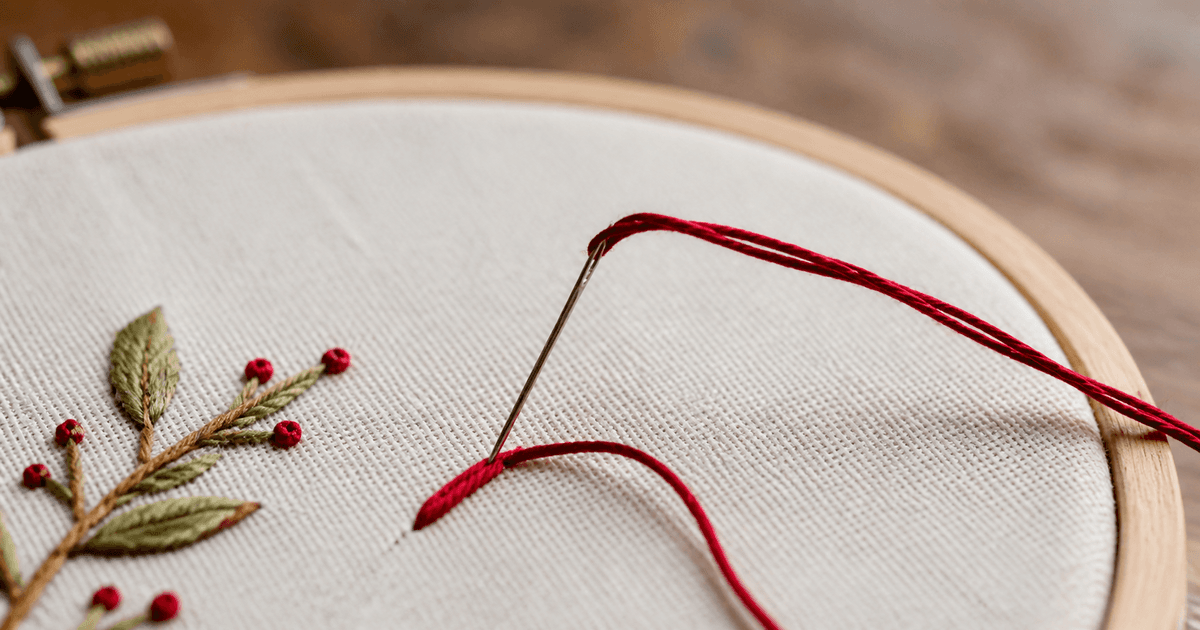
Start with authorized before, needle-through, loop-forming, and finished references for one real stitch. Name the stitch, fabric, thread, needle, entry and exit holes, front and back thread path, tension, hoop state, hand positions, and endpoint. Ask Seedance 2 to animate only that one pull-through or lay-down action with a locked camera. Stop before a second stitch begins. Reject any result where the needle duplicates, thread changes side, passes through solid fabric without an entry point, knots itself, changes color, or distorts the pattern.
Who this guide is for
Embroidery artists, textile studios, craft educators, pattern designers, museums, handmade marketplaces, and social teams turning an approved process still into a short technique detail.
Recommended model
| Use case | Recommended model | Why |
|---|---|---|
| This workflow | Seedance 2 image-to-video for one source-led embroidery stitch | A bounded image-led action can show tactile thread movement while explicit topology locks protect the existing motif, materials, tools, and maker’s actual technique. |
AIBase is an independent creative platform. Model names are shown only to identify supported underlying technologies and workflow choices.
Prompt template
Animate the uploaded authorized embroidery photo as the exact first frame. Technique [verified stitch], action only: the existing needle travels from documented point [A] to [B], the same visible [thread color and strand count] follows the verified front and back path, one loop reduces naturally, tension settles to the approved endpoint, then holds. Preserve exact needle, eye, thread continuity, twist, sheen, fabric weave, hole positions, existing stitches, motif, transfer marks, hoop shape and tension, hands and fingers if present, thimble, frame, tools, background, crop, camera, light, shadows, and maker's work state. No second stitch, extra needle, duplicated or broken thread, changed color, new hole, invented knot, pattern completion, hand mutation, fabric puckering, camera move, text, sound, or watermark.
Step-by-step workflow
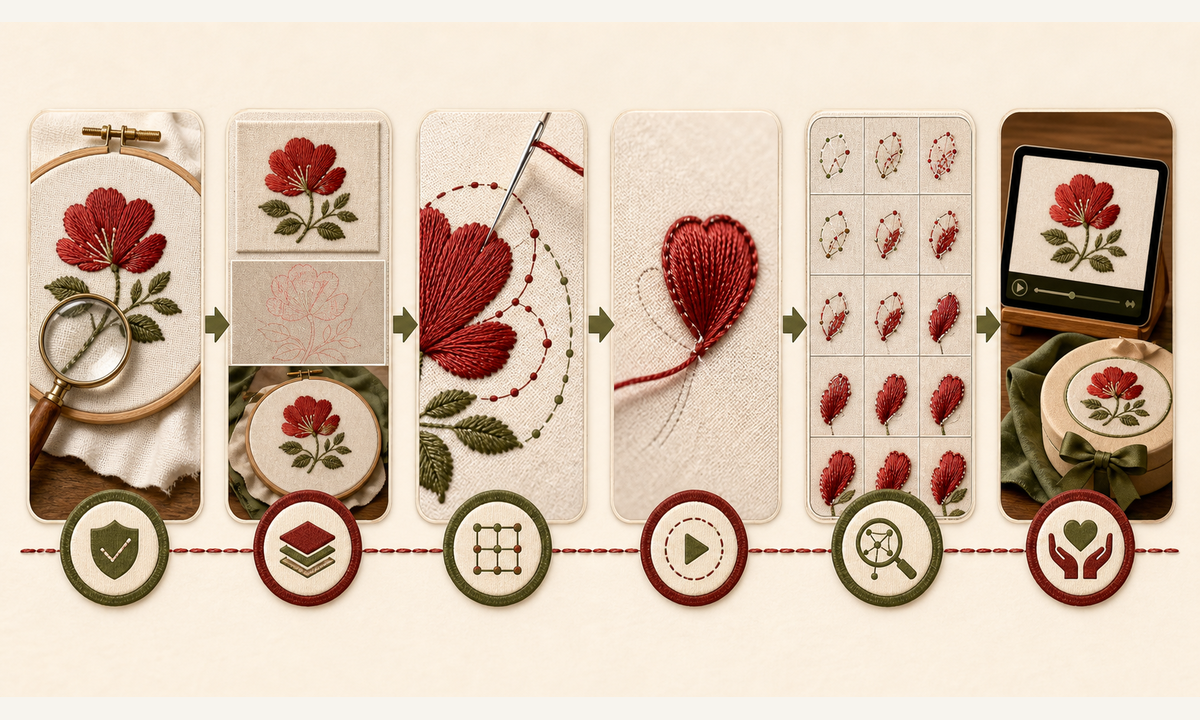
- Confirm the stitch name, direction, strand count, needle, thread, fabric, hoop tension, entry and exit points, front and back path, hand technique, safety, maker credit, and usage rights.
- Capture sharp before, intermediate, and after references plus needle eye, thread slack, fabric holes, surrounding stitches, pattern marks, hoop, hands, tools, and reverse side when relevant.
- Draw a motion map for fixed fabric and hoop, moving needle and hand, continuous thread path, slack transfer, tension endpoint, protected stitches, and stable camera.
- Generate one short stitch action and stop at the documented endpoint before another needle placement or pattern section begins.
- Inspect frame by frame for needle count, eye position, thread continuity, side changes, holes, loops, knots, tension, puckering, stitch geometry, hand anatomy, motif drift, and tool motion.
- Add verified technique name, materials, stitch direction, safety, maker credit, captions, audio description, synthetic disclosure, and tutorial links separately.
Example prompt variants
- Four-second locked macro of one approved satin stitch: needle exits at point A, red two-strand thread lays parallel to the prior stitch and settles, preserve white linen weave, hoop tension, motif outline, hand, and no second stitch.
- Five-second chain-stitch detail from documented frames: one existing loop tightens around the named exit point, preserve continuous blue thread, needle eye, prior chain links, fabric holes and locked camera.
- Three-second couching action: the small securing stitch crosses the existing gold cord once and holds, preserve cord path, black fabric, surrounding stitches, needle, fingers, shadows, and no added motif.
Quality checklist
- Stitch, direction, strand count, needle, thread, fabric, entry and exit points, front and back path, tension, hoop state, and endpoint match references.
- Needle count, eye, thread continuity, twist, color, holes, loops, knots, existing stitches, motif, pattern marks, fabric weave, and puckering remain stable.
- Hands, fingers, thimble, hoop, tools, background, camera, lighting, and shadows do not morph or perform undocumented actions.
- The clip does not claim authorship, speed, difficulty, tradition, material quality, durability, handmade status, or cultural meaning without evidence.
- Reference sequence, motion map, prompt, frame review, maker approval, captions, disclosure, credits, and export remain traceable.
Mistakes to avoid
- Requesting a full motif or several stitch types from one still instead of one documented needle-and-thread action.
- Ignoring the reverse-side thread path and accepting thread that teleports, duplicates, breaks, changes side, or knots impossibly.
- Animating both hands, hoop rotation, needle, long loose thread, fabric, tools, and camera in one short clip.
- Presenting generated motion as documentary proof of the maker, technique, cultural tradition, materials, labor time, or durability.
Related AIBase pages
Practical next step
Open the most relevant AIBase generator, run one narrow prompt first, and save the best result before adding more constraints. The fastest way to improve output quality is to compare one variable at a time: subject, camera, background, lighting, then final polish.