
Wan 2.7 Tripod Leg Clamp Product Video Prompts
Animate one documented tripod leg clamp movement while preserving exact hardware, lock direction, tube overlap, feet, support, condition, and stability claim boundaries.
Quick answer
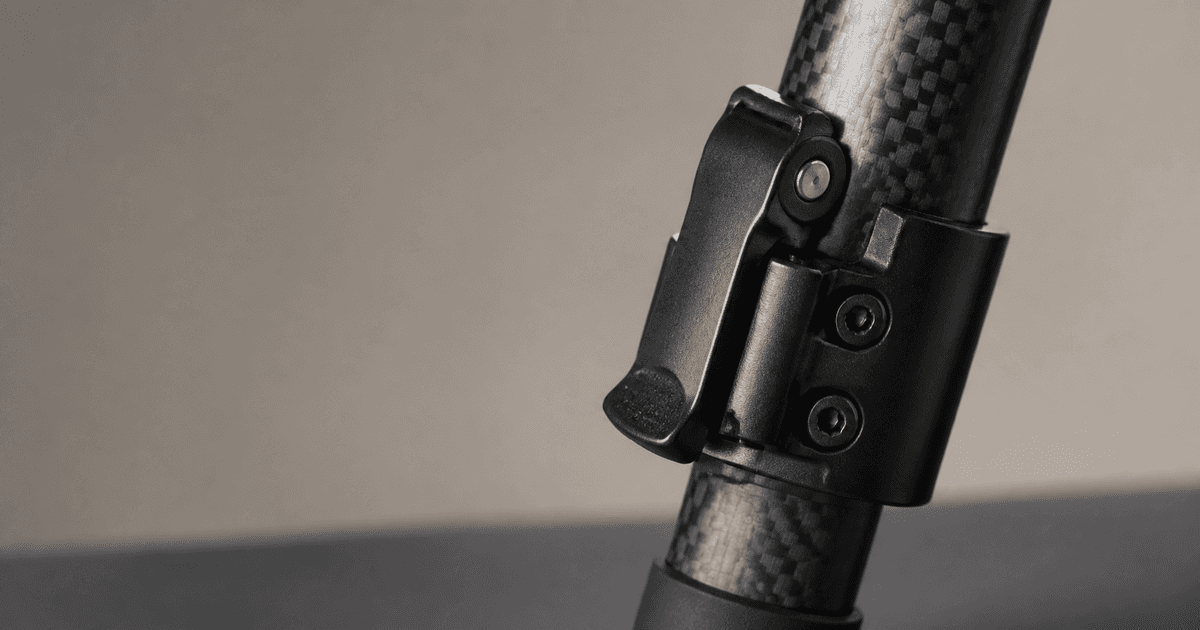
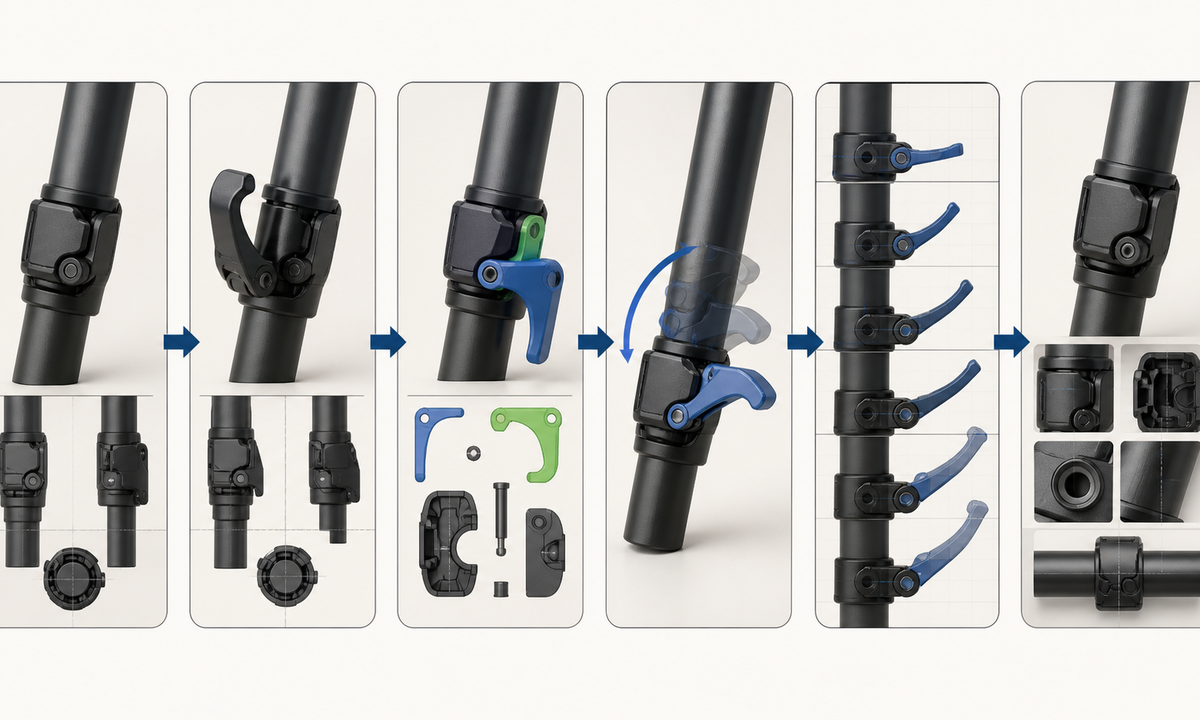
Start from authorized close references of the exact tripod model, leg section, clamp type, hinge or collar, open and closed positions, tube overlap, anti-rotation shape, feet, center column, head, payload state, and cosmetic condition. Ask Wan 2.7 for one small flip-lock movement or one documented twist-lock rotation, with the tubes and camera support held still. Do not combine unlocking, extension, locking, loading, and stability proof in one generated clip; use real footage for load, safety, setup speed, rigidity, terrain, and durability claims.
Who this guide is for
Tripod makers, camera retailers, rental houses, used-equipment sellers, reviewers, product photographers, and social teams creating controlled mechanism visuals from approved references.
Recommended model
| Use case | Recommended model | Why |
|---|---|---|
| This workflow | Wan 2.7 image-to-video for one bounded tripod clamp action | Short mechanical motion can be useful when clamp geometry, travel, direction, tube response, and endpoint are explicitly documented and reviewed frame by frame. |
AIBase is an independent creative platform. Model names are shown only to identify supported underlying technologies and workflow choices.
Prompt template
Use the uploaded authorized [exact tripod model, revision and leg section] image as the first frame. Preserve leg tube count, diameter, taper, material and finish, overlap at start, clamp body shape, hinge, lever or collar, screws, pads, seams, anti-rotation geometry, center column, braces if present, feet, head, plate, payload state, labels zones, wear, background, crop, light, reflections, and shadows. Motion only: [flip-lock lever rotates through documented arc into open or closed position / twist-lock collar rotates documented direction and degrees] over [3-4 seconds], then holds. Tubes, other clamps, head, feet, support and camera remain still. No leg extension, collapse, load, wobble, hand, extra clamp, repaired scratch, word, logo change, sound, or watermark.
Step-by-step workflow
- Freeze model, revision, leg section, clamp type, number and order, lock direction, travel, torque guidance, tube overlap, anti-rotation behavior, feet, center column, load limits, maintenance, condition, and rights.
- Capture fixed close references of open and closed clamp states, side and hinge views, tube markings, overlap, other clamps, full support geometry, feet, head, and unloaded or approved payload state.
- Map fixed tubes and support, moving lever or collar, hinge axis, contact surfaces, screws, reflections, shadows, start state, arc, direction, and endpoint.
- Generate one clamp action without a hand first; keep all tubes, other locks, head, feet, floor contact, background, and camera immobile.
- Inspect every frame for extra locks, changing tube diameter, lost overlap, floating hinge, wrong rotation, sliding support, wobble, morphing feet, repaired wear, or reflection jumps.
- Add verified model, clamp type, setup instructions, load limits, compatibility, condition, safety, price, disclosure, caption, and CTA separately from the generated pixels.
Example prompt variants
- Three-second macro of the approved carbon tripod upper flip lock closing through its documented arc and holding, preserve lever hinge, screws, tube weave, overlap, adjacent lock and locked camera.
- Four-second product detail of the approved lower twist collar rotating one quarter-turn counterclockwise to the documented open state, preserve tubes, feet, other collars, wear and no extension.
- Three-second used-tripod listing insert: existing flip lever opens once, preserve scratches, rubber pad, alloy tube, clamp seam, floor support, head state and no condition cleanup.
Quality checklist
- Tripod model, revision, leg section, clamp type, direction, arc or rotation, overlap, anti-rotation behavior, feet, head, payload state, condition, and claims match sources.
- Tube count, diameter, taper, weave or finish, clamp body, hinge, screws, pads, seams, other locks, support, reflections, shadows, and endpoint remain coherent.
- No extra clamp, tube extension, collapse, hand, payload, wobble, terrain adaptation, repaired condition, logo change, or undocumented mechanism appears.
- The clip does not prove load capacity, rigidity, setup speed, weather resistance, durability, safety, compatibility, or smoothness without real evidence.
- Truth sheet, references, motion map, prompt, output, frame review, product approval, listing state, disclosure, and export remain traceable.
Mistakes to avoid
- Prompting the tripod leg to unlock, extend, relock, support a camera, and demonstrate stability in one clip.
- Confusing a flip lock with a twist lock or animating the wrong direction, travel, hinge, collar, or leg section.
- Allowing tubes to telescope while the lock is closed, change diameter or overlap, rotate impossibly, or lose floor support.
- Using synthetic motion as proof of load capacity, stiffness, fast setup, outdoor safety, condition, or long-term durability.
Related AIBase pages
Practical next step
Open the most relevant AIBase generator, run one narrow prompt first, and save the best result before adding more constraints. The fastest way to improve output quality is to compare one variable at a time: subject, camera, background, lighting, then final polish.