
Nano Banana 2 Prompts to Remove Fabric Pilling from Knitwear Product Photos
Clean visible fabric pills from approved knitwear photos while preserving yarn structure, seams, color, silhouette, shadows, and honest garment condition.
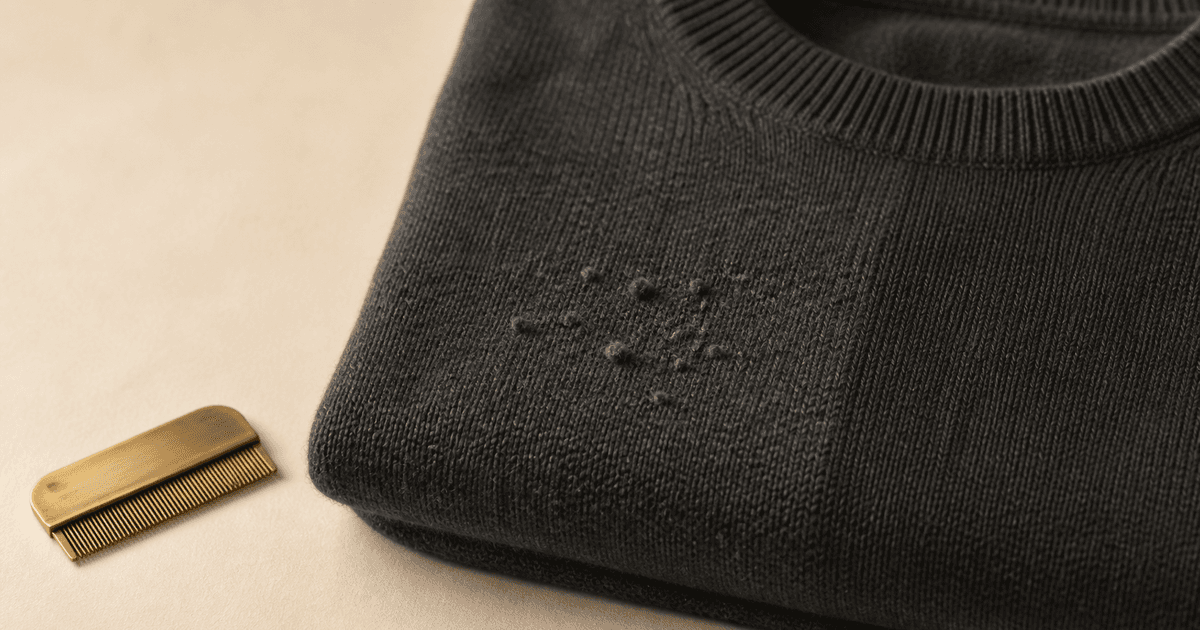
Quick answer
Use a sharp authorized product photo and define the exact pills that are temporary presentation debris rather than wear a buyer needs to see. Ask Nano Banana 2 to remove only those named pills while locking the knit gauge, yarn twist, fuzzy halo, ribs, cables, seams, hems, color, silhouette, labels, lighting, shadows, and all unapproved wear. Work in small zones and compare every edit at full resolution. If pilling is part of the item’s real condition, especially for resale, leave it visible or disclose the retouch clearly.
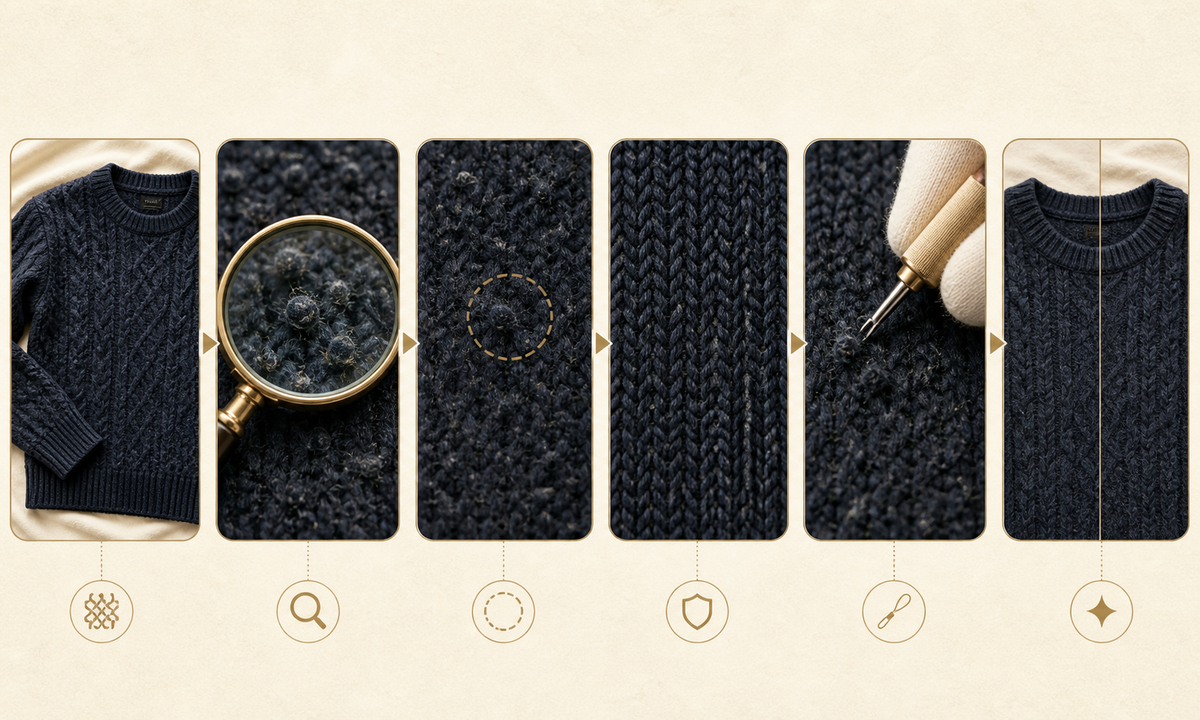
Who this guide is for
Apparel brands, knitwear studios, resale teams, catalog retouchers, and marketplace sellers cleaning a few distracting surface pills from owned or authorized sweater, cardigan, scarf, hat, or blanket photography.
Recommended model
| Use case | Recommended model | Why |
|---|---|---|
| This workflow | Nano Banana 2 image-to-image for tightly bounded textile cleanup | The edit can be constrained to small marked areas while the source image remains authoritative for construction, texture, color, fit, and condition. |
AIBase is an independent creative platform. Model names are shown only to identify supported underlying technologies and workflow choices.
Prompt template
Edit the uploaded authorized [exact garment and view]. Remove only the marked [count and location] loose fabric pills on [specific panel]. Preserve knit gauge, stitch pattern, yarn twist, natural fiber halo, ribbing, cables, seams, joins, hem, cuffs, neckline, silhouette, drape, folds, color, label zones, remaining wear, background, camera, crop, light, shadows and grain. Reconstruct the cleaned spots from adjacent verified knit texture. No smoothing, reweaving, recoloring, reshaping, stain removal, hole repair, seam repair, label change, new thread, beauty retouch, word, logo or watermark.
Step-by-step workflow
- Confirm image rights, exact SKU, colorway, material, sample condition, sales channel, and whether visible pilling is removable styling debris or material product condition.
- Capture a high-resolution front, back and detail set under one controlled light; retain an untouched master and a close reference of the same knit panel.
- Mark each approved pill separately and map protected stitches, yarn direction, ribs, cables, seams, labels, folds, shadows, stains, repairs, and honest wear.
- Run one small cleanup zone first. Reject any result that changes neighboring stitch count, fuzzy texture, color, panel shape, or garment edge.
- Compare before and after at 100 and 200 percent, then inspect the full garment for repeated texture, plastic smoothing, erased wear, shifted seams, and inconsistent light.
- Export the smallest approved retouch, keep the source and mask, and disclose material condition accurately in listing copy and alternate detail images.
Example prompt variants
- Remove only three marked pills from the center chest of the approved charcoal merino sweater; preserve fine jersey stitches, natural fiber halo, shoulder seams, collar rib, folds and all other wear.
- Clean the two loose pills beside the lower-left cable of the authorized cream cardigan; preserve cable count, yarn twist, button band, shadow and authentic soft texture; no broad smoothing.
- Resale flat lay: remove only the marked detachable lint ball near the scarf fringe, preserve fringe count, woven pattern, pilling elsewhere, color, label zone and documented used condition.
Quality checklist
- SKU, colorway, knit structure, yarn direction, stitch count, seams, trims, silhouette, labels, and condition match the source.
- Only explicitly approved pills changed; natural fiber fuzz, honest wear, stains, repairs, and unmarked pilling remain intact.
- Edited zones do not show cloned repeats, smeared stitches, plastic texture, color patches, halos, or changed shadows.
- The result remains accurate for catalog or resale use and is not presented as evidence of newness, durability, or fabric performance.
- Source, mask, prompt, output, product review, disclosure decision, approval, and export remain traceable.
Mistakes to avoid
- Using a global ‘make the sweater perfect’ prompt that removes real texture and changes the product.
- Treating condition evidence on a used item as disposable clutter and misleading buyers about wear.
- Removing pills across cables, seams, ribs, or edges without locking stitch geometry and yarn direction.
- Reviewing only the thumbnail and missing cloned stitches, waxy fibers, recoloring, or erased repairs.
Related AIBase pages
Practical next step
Open the most relevant AIBase generator, run one narrow prompt first, and save the best result before adding more constraints. The fastest way to improve output quality is to compare one variable at a time: subject, camera, background, lighting, then final polish.