
Seedance 2 Knitting Process Video Prompts from Craft Photos
Animate one documented knitting stitch at a time while preserving needle geometry, live loops, yarn path, tension, fabric pattern, hand safety, and truthful craft sequence.
Quick answer
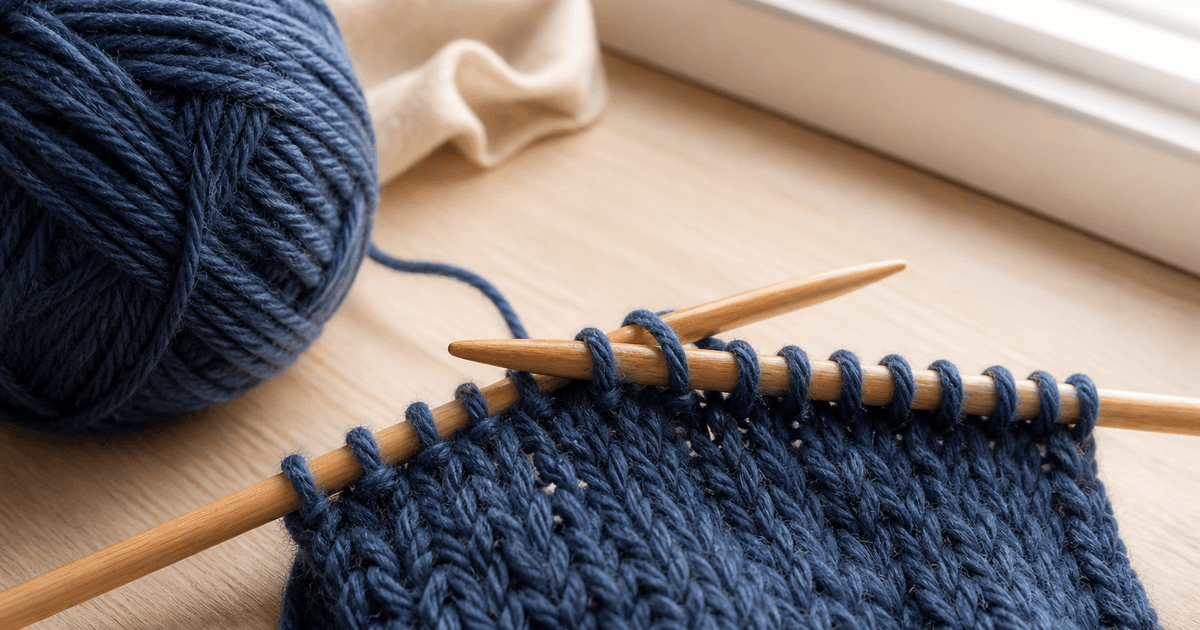
Begin with a sharp authorized photo or short reference sequence that shows the exact yarn, needle type and size, stitch, row, working direction, live loops, yarn feed, tension, hand position, and start and end state. Ask Seedance 2 for one bounded action—such as inserting the right needle into one front loop—rather than a whole row or finished garment. Lock every existing loop, needle, cable, marker, yarn strand, fabric edge, pattern repeat, gauge, camera, and light. Inspect frame by frame for dropped or duplicated stitches, impossible needle crossings, changing yarn color or thickness, reversed technique, unsafe hands, or invented completion.
Who this guide is for
Independent knitwear makers, yarn shops, craft educators, pattern designers, social teams, marketplaces, and studios turning approved knitting references into short process clips or visual briefs.
Recommended model
| Use case | Recommended model | Why |
|---|---|---|
| This workflow | Seedance 2 image-to-video for one source-led knitting motion | A short reference-led process clip can preserve the craft setup when the requested motion is small, physically defined, and checked against an actual stitch sequence. |
AIBase is an independent creative platform. Model names are shown only to identify supported underlying technologies and workflow choices.
Prompt template
Use the uploaded authorized knitting image as the exact first frame. Preserve needle [type, material, diameter, tips, cable], exact live-loop count and orientation, working yarn path, tail, yarn color, ply and thickness, stitch pattern, row, gauge, fabric edge, markers, hand identity and grip if present, table, background, crop, camera, light, shadows, and texture. Motion only: [right needle enters the named loop / working yarn wraps once / one loop draws through] in the documented direction over [3-5 seconds], then stop at [exact state]. No extra stitch, dropped loop, duplicated yarn, needle bend, cable change, reversed hand, row completion, finished garment, camera move, text, sound, logo, or watermark.
Step-by-step workflow
- Confirm rights to the pattern, photo, maker identity, finished design, music if any, and publication channel; record whether the technique or pattern is proprietary.
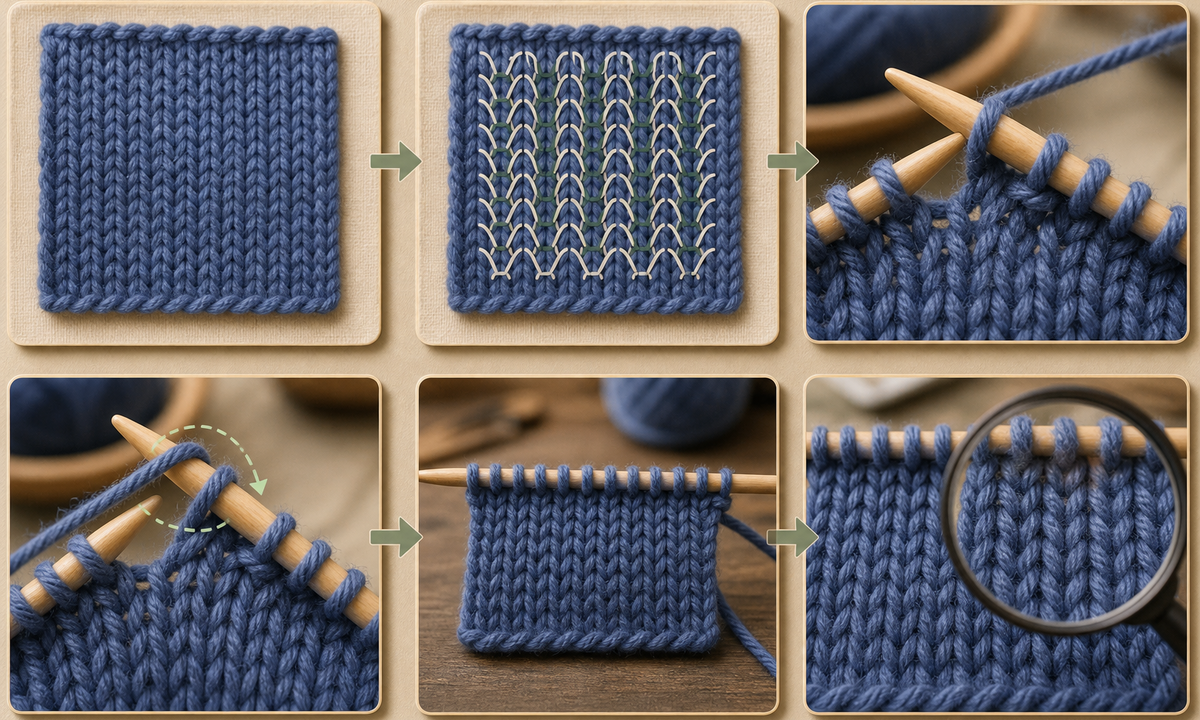
- Capture fixed before, middle, and after references for one stitch with needle size, yarn specification, loop count, working direction, tension, hand positions, and fabric support.
- Map fixed and moving elements: left needle, right needle, target loop, neighboring loops, working yarn, tail, fingers, markers, cable, fabric edge, pattern repeat, and camera.
- Prompt one micro-action and stop at a visible documented endpoint; separate insertion, wrap, draw-through, and old-loop release into different clips when necessary.
- Inspect every frame for loop count, crossed or dropped stitches, yarn path, twist, tension, needle continuity, hand anatomy, gauge, pattern drift, shadows, and endpoint accuracy.
- Edit only approved clips; add verified stitch name, needle and yarn details, pattern credit, safety, captions, audio description, disclosure, and link outside generated pixels.
Example prompt variants
- Four-second macro: the approved bamboo right needle enters the front of one named blue stockinette loop from left to right and stops, preserve all other loops, yarn path, tension, needles and locked camera.
- Three-second close-up: approved working yarn wraps once counterclockwise around the right needle while both needle tips and every live loop remain fixed, no draw-through or release.
- Five-second cable-needle reference: one documented stitch transfers to the approved cable needle and holds in front, preserve loop count, marker, cable, rib pattern, hands, yarn and no row completion.
Quality checklist
- Pattern rights, source permission, yarn, needle, stitch, row, working direction, loop count, tension, hands, and endpoint match documented references.
- Needles, cables, tips, live loops, neighboring stitches, yarn feed, tail, markers, fabric edges, gauge, and pattern remain continuous and plausible.
- No stitch is added, dropped, duplicated, twisted, crossed, transferred, completed, or released beyond the requested micro-action.
- The clip does not imply a faster technique, beginner safety, pattern result, yarn performance, garment quality, or maker endorsement without evidence.
- Rights, sources, motion map, prompt, frame review, craft approval, edit, captions, disclosure, publication, and withdrawal remain traceable.
Mistakes to avoid
- Asking the model to knit an entire row or reveal a finished garment from one ambiguous source photograph.
- Failing to identify the target loop, needle direction, yarn wrap direction, tension, and exact stopping state.
- Accepting smooth motion despite changing loop counts, duplicated yarn, bending needles, altered gauge, reversed hands, or pattern drift.
- Publishing a generated technique demonstration without pattern rights, maker review, accurate captions, accessibility, and synthetic-media disclosure.
Related AIBase pages
Practical next step
Open the most relevant AIBase generator, run one narrow prompt first, and save the best result before adding more constraints. The fastest way to improve output quality is to compare one variable at a time: subject, camera, background, lighting, then final polish.